File 03Season one
Who sold you the genius baby?
The Mozart effect and the baby video
The short answer
It began with a small 1993 study on college students, not babies. Students who heard Mozart did a little better on a puzzle, for a few minutes. Within a few years baby videos were promising parents much more, and one took the name Baby Einstein. By 2005 it sold $200 million a year. A 2007 study then linked baby videos to babies understanding fewer words, and in 2009 Disney offered refunds.
- The study
- 1993, college students, a brief effect
- The product
- A baby video made at home, 1997
- Sales
- $200 million a year by 2005
- The 2007 finding
- 6 to 8 fewer words understood per daily hour of baby videos
- The refund
- $15.99 per DVD, offered in 2009
A study about students
In 1993 researchers put 36 college students through a small experiment. After listening to Mozart, the students did a little better on a spatial reasoning task, the paper folding and cutting kind. The effect did not last beyond 10 to 15 minutes.
The students were adults. The researcher herself pointed out that her work had been done on college students, not infants. That part got lost on the way to the shops.
A video with a clever name
In 1997 a baby video made at home went on sale under the name Baby Einstein. Its first press release called it the first developmental video to combine visual and linguistic experiences that facilitate the development of the brain in infants, and said the video "contributes to increased brain capacity".
Disney bought the company in 2001. By 2005 its annual sales had reached $200 million, a figure reported by BusinessWeek and cited in a 2006 complaint to the Federal Trade Commission. After that complaint, Disney stopped describing the DVDs as educational.
What the researchers found
In 2007 a University of Washington study of more than 1,000 families looked at infants aged 8 to 16 months. For every hour a day spent watching baby DVDs and videos, the infants understood an average of six to eight fewer words, out of a list of about 90.
The study found an association. It did not prove the videos caused the gap, and the researchers said as much: "We don't know for sure that baby DVDs and videos are harmful."
Money back
In 2009, after lawyers threatened a class action lawsuit, Disney offered a refund of $15.99 per DVD, for up to four Baby Einstein DVDs per household bought between June 2004 and September 2009. The company called it a simple customer satisfaction action, not an admission.
This is a story about advertising. It is not advice on raising children.
Otis saysWanting a clever baby is love. The genius part was sold to you.
The dates
- 1993A study finds college students do a little better on a spatial task after hearing Mozart, for 10 to 15 minutes.
- 1997The first Baby Einstein video goes on sale. Its press release speaks of increased brain capacity.
- 2001Disney buys the company.
- 2005Annual sales reach $200 million.
- 2007A University of Washington study links baby videos with infants understanding fewer words.
- 2009Disney offers refunds of $15.99 per DVD.
What the record does not say
Things often repeated about this story that the sources do not support, and where our own film is careful.
- The videos were not shown to make babies less intelligent. The 2007 study found a link with understanding fewer words. It did not prove cause.
- Disney did not admit the videos do not work. It called the refund a customer satisfaction step, and no lawsuit was filed.
- The Mozart study did not test babies and did not find a lasting gain. It tested college students on a spatial task, and the effect faded within 10 to 15 minutes.
- The $200 million is sales, not profit.
Questions people ask
Does listening to Mozart make babies smarter?
The 1993 study behind the idea tested 36 college students, not babies, and the small gain on a spatial task did not last beyond 10 to 15 minutes.
Did Disney give refunds for Baby Einstein?
Yes. In 2009 Disney offered $15.99 back per DVD, for up to four DVDs per household bought between June 2004 and September 2009. The company said it was a customer satisfaction action, not an admission.
Are baby videos bad for babies?
A 2007 University of Washington study found that for every daily hour of baby DVDs and videos, infants aged 8 to 16 months understood six to eight fewer words. It was an association, not proof of harm.
Sources
- University of Washington News, "Baby DVDs, videos may hinder, not help, infants' language development", 2007. Read it
- University of Washington News, "Disney offers refunds for 'Baby Einstein' products", 2009. Read it
- Jesse Walker, "Baby Barnum", Reason, 2009. Read it
- Baby Einstein Company, press release, 1 February 1997 (archived by Fairplay). Read it
- Campaign for a Commercial-Free Childhood, complaint to the Federal Trade Commission, 2006. Read it
- CBS News / AP, "Disney Expands Its Baby Einstein Refunds", 2009. Read it
- Jonathan Jarry, "Mozart's Music Doesn't Make Baby Geniuses", McGill Office for Science and Society, 2024. Read it
- PBS Frontline, "Inside the Teenage Brain: the Mozart effect". Read it
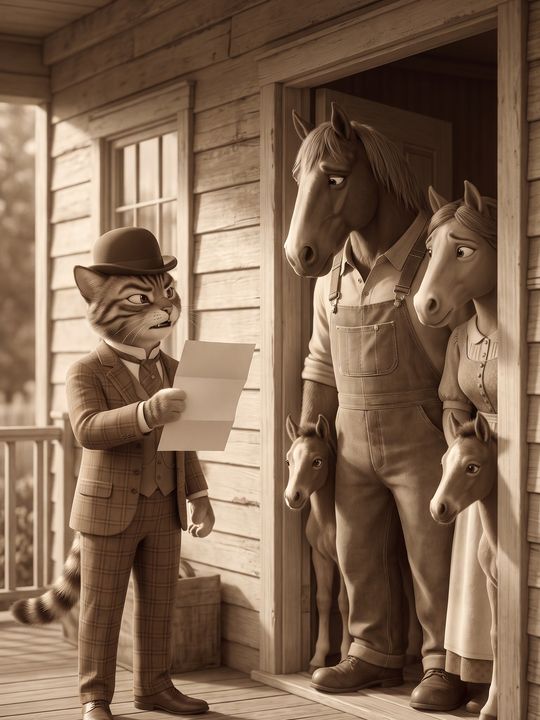
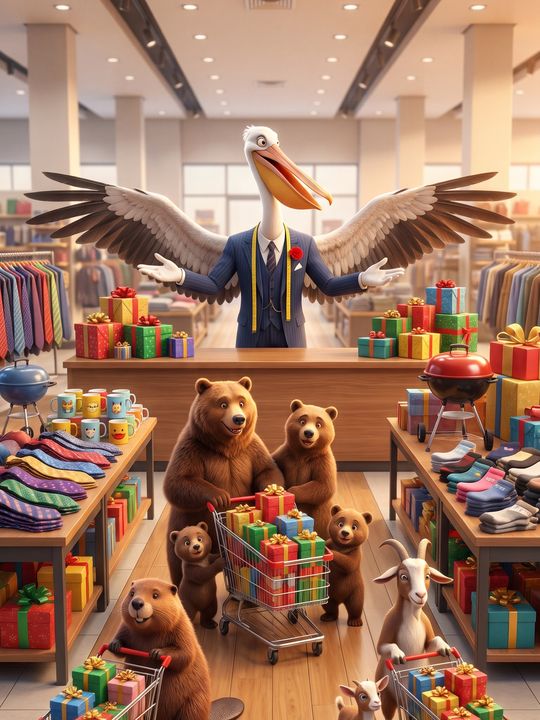
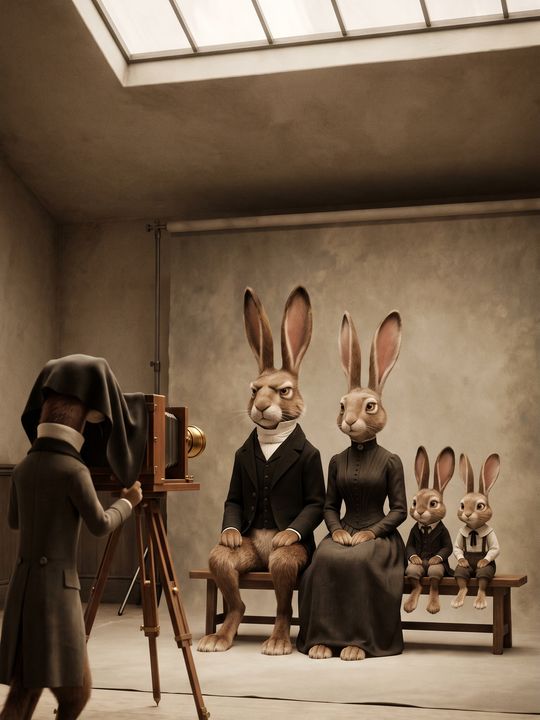
A dramatisation based on University of Washington News (2007, 2009), Reason (2009) and the company's own 1997 press release. Every character is an animal; no real person is shown. The 2007 study found an association, not proof of harm, and the refund was not an admission.
Think we have a fact wrong? Write to [email protected] with what you have found. We check every message and we correct mistakes.