File 01Season one
Who told you bacon and eggs is a healthy breakfast?
The breakfast a publicist built

The short answer
A bacon company's publicist did, in the 1920s. Beech-Nut wanted to sell more bacon, so its publicist Edward Bernays asked thousands of doctors whether a heavier breakfast was healthier than a light one. Most said yes, and newspapers ran the answer as science. That is his own account of it, published in 1965.
- When
- The 1920s
- Who paid
- Beech-Nut, a company with bacon to sell
- Who ran it
- Edward Bernays, its publicist
- The move
- A doctors' survey, sent to the newspapers
- Main source
- Bernays's own memoir, 1965
A company with bacon to sell
The story starts with a plain business problem. In the 1920s Beech-Nut sold bacon and wanted to sell more of it. As Edward Bernays later told it, Americans at the time ate a light breakfast, often just coffee and a roll. A bigger breakfast would put more bacon on the plate.
Beech-Nut's publicist was Bernays, a nephew of Sigmund Freud. He did not write an advert for bacon. He went looking for someone people already trusted.
One question for the doctors
By his own account, Bernays asked thousands of doctors a single question: is a heavier breakfast healthier than a light one? Our film uses his figure of five thousand. Most of them said yes.
The question, as he tells it, was about the size of breakfast, not about bacon. Once doctors had agreed that a hearty breakfast was the healthy one, the answer could travel as medical opinion and not as a sales pitch.
From survey to headline
Newspapers ran the doctors' answer as science: doctors urge a hearty breakfast. The hearty breakfast held up as the example was bacon and eggs.
Bernays says bacon sales went up. He gives no number, and the claim is his.
Why Otis keeps this file
Nobody was told to buy bacon. People were told what doctors thought, and the doctors had been asked a question chosen by a man with bacon to sell. That is the pattern this series follows: a habit that feels like common sense, with a start date and a client behind it.
Otis saysYou never chose that breakfast. It was sold to you.
The dates
- 1920sBeech-Nut wants to sell more bacon. Its publicist, Edward Bernays, puts one question to thousands of doctors.
- 1920sNewspapers report the answer: doctors urge a hearty breakfast, such as bacon and eggs.
- 1965Bernays tells the story himself in his memoir, Biography of an Idea.
What the record does not say
Things often repeated about this story that the sources do not support, and where our own film is careful.
- The account is Bernays's own. The survey, the light breakfast of the time and the rise in sales all come from his memoir, written decades after the campaign. We say so wherever we tell this story.
- There is no sales figure. Bernays says sales climbed and gives no number, so we give none either.
- The newspaper page in the film is a dramatisation. It is not a copy of a real front page.
Questions people ask
Who promoted bacon and eggs as a healthy breakfast?
Edward Bernays, working as publicist for Beech-Nut in the 1920s. By his own account he asked thousands of doctors whether a heavier breakfast was healthier than a light one, and newspapers reported their answer.
Did doctors really recommend bacon and eggs?
According to Bernays, most of the doctors he asked agreed that a heavier breakfast was healthier, and newspapers reported it as doctors urging a hearty breakfast, with bacon and eggs as the example. The source for this is Bernays himself.
What is the source for this story?
Edward Bernays's memoir, Biography of an Idea, published in 1965. It is his own account of his own campaign, so the film and this page present it that way.
Sources
- Edward Bernays, Biography of an Idea, 1965. His own account of the campaign.
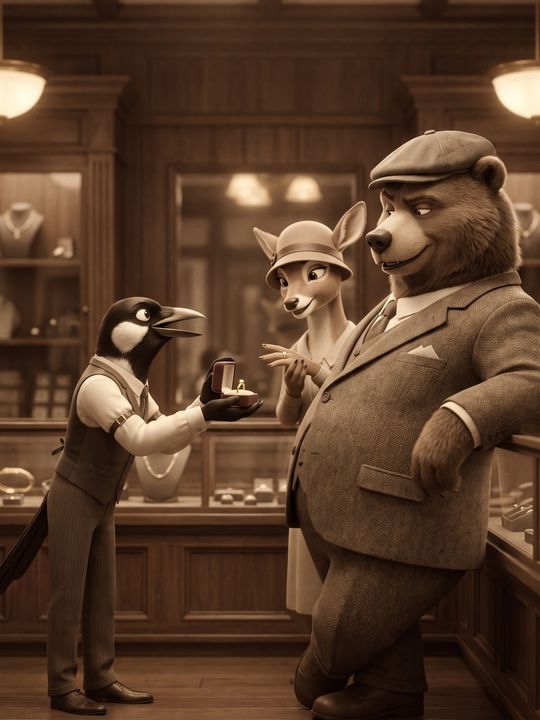
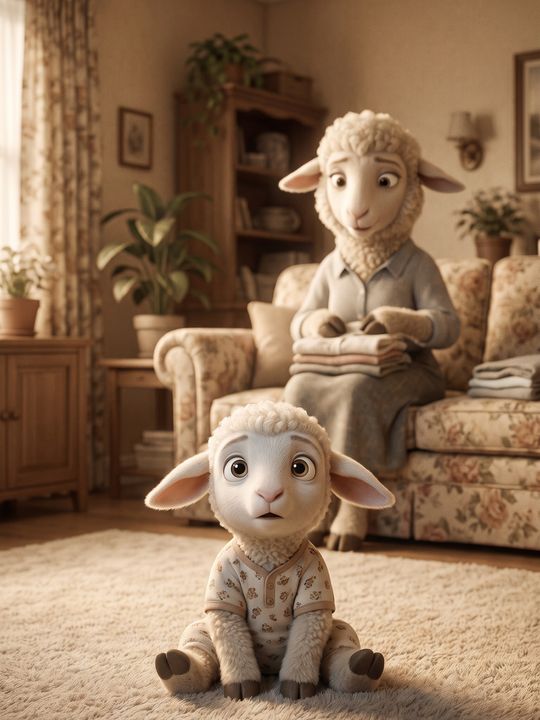
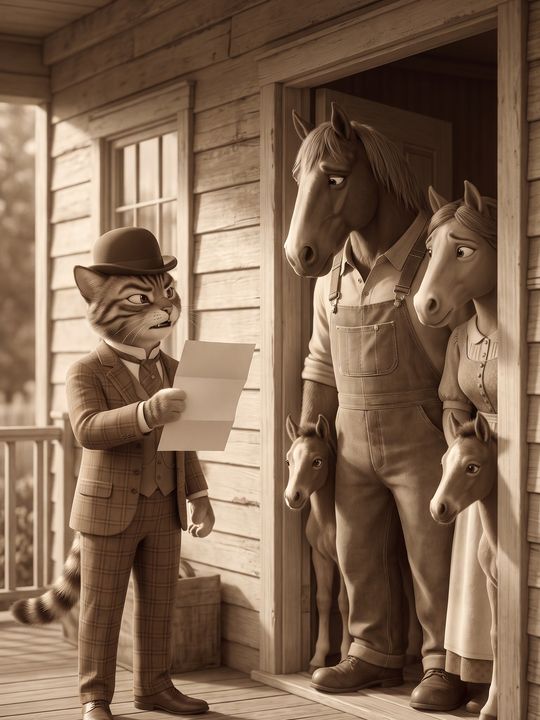
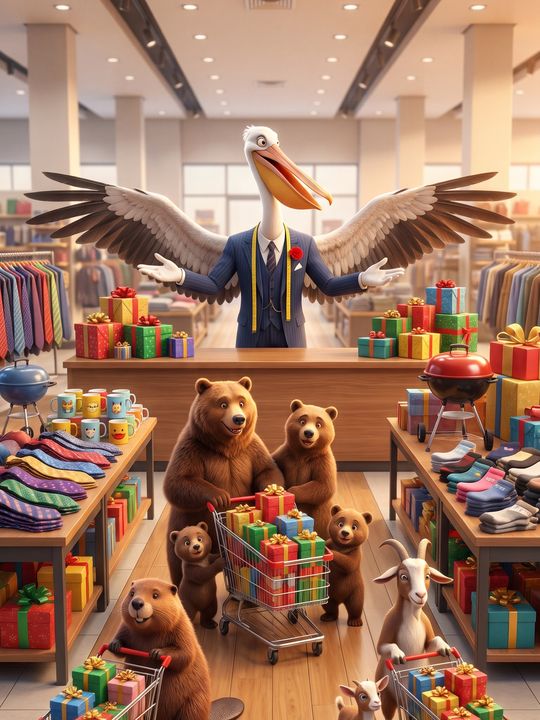
A dramatisation based on Edward Bernays's own account. Every character is an animal; no real person is shown.
Think we have a fact wrong? Write to [email protected] with what you have found. We check every message and we correct mistakes.